Labor rates
Trade classifications and the hourly billing basis. Each trade in the mix is priced as an hourly crew, in the classifications the work requires. The basis is written down so the invoice matches the crew that was proposed.
How we work
Large crews. On-site supervision.
Commercial structure
A workforce program built around scope, schedule, and project requirements. Large hourly crews, with supervision. Housing, travel, and per diem included in the plan. The crew plan and the commercial terms are developed together.
We provide large hourly crews with supervision and take care of all workforce housing, travel, and per diem. Rates and crew plans are project-specific. There is no standard crew for sale off a shelf, and there is no rate on this website, because both depend on the assignment.
What can be agreed up front is the shape of the deal: which trades, how time is billed, what the workweek looks like, who the field leaders are, how deployment is paid, who owns tools and material, and how time becomes an invoice.
That conversation should happen while the scope and schedule are still taking shape. A crew proposal written against a real phase is more useful than a number guessed before anyone knows the work areas.
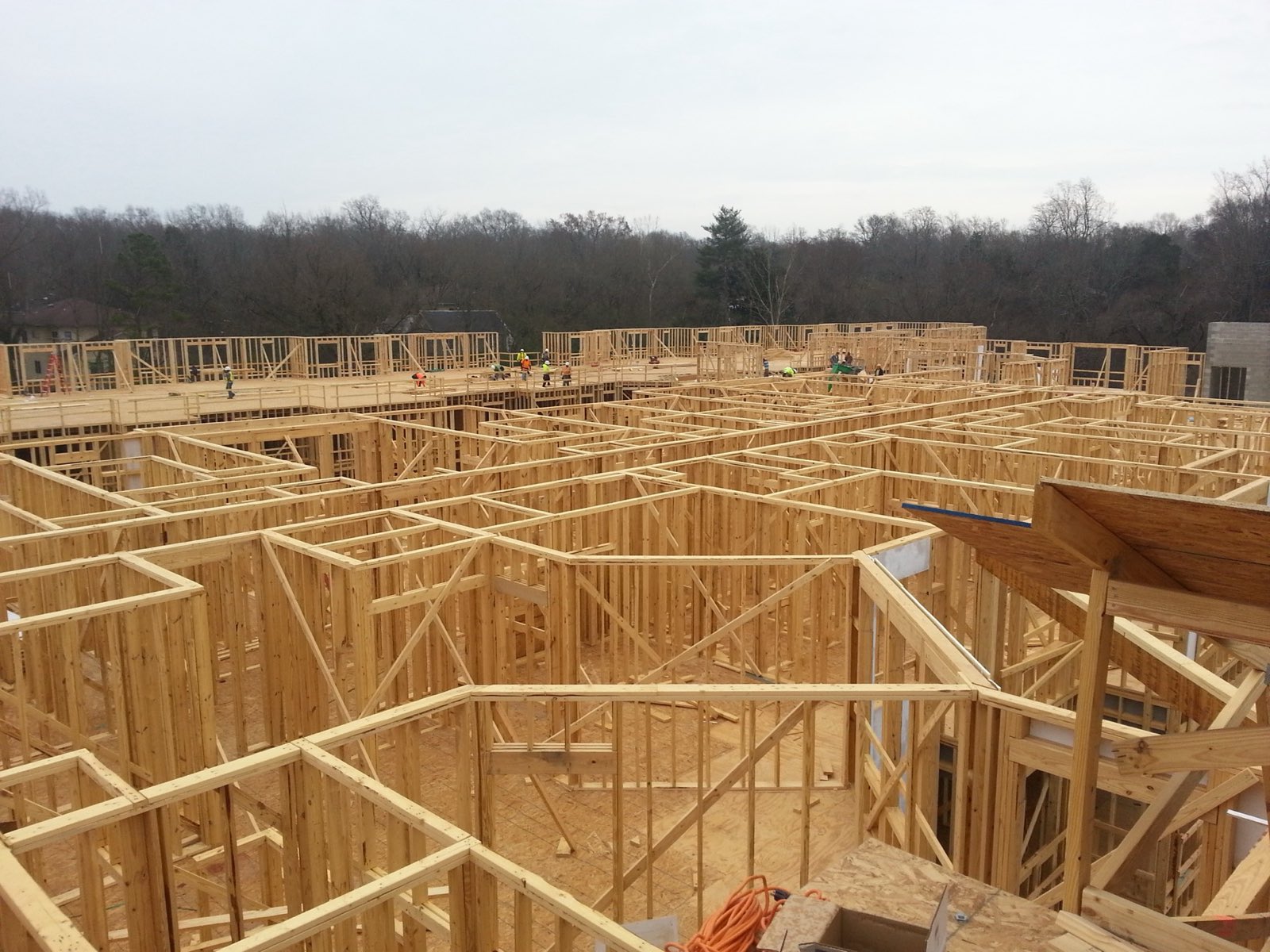
Agree the details up front
Trade classifications and the hourly billing basis. Each trade in the mix is priced as an hourly crew, in the classifications the work requires. The basis is written down so the invoice matches the crew that was proposed.
Workweek, shifts, and overtime. A power plant pour, a plant expansion beside a running factory, and a headquarters interior do not share a calendar. The schedule is part of the commercial agreement, including how overtime is handled.
Field leadership roles, coverage, and pricing. Supervision is not assumed to be free, and it is not left unnamed. The proposal says which leadership roles come with the crew, how coverage works across the shift, and how those roles are priced.
All managed by US Carpentry. The terms are set in the crew proposal. The project sees the deployment cost with the labor, instead of discovering it after mobilization.
Responsibility for tools, materials, and equipment. The mobilization conversation also covers lifts and other work support. Who provides what is agreed before the crew is counting on something that is not on site.
Time approval, reporting, and billing procedures. Workforce visibility includes how attendance, hours, field progress, and staffing changes are reported. The invoice follows that same agreement.
Rates and crew plans are project-specific.

Construction crews at work / US Framing
Let’s plan the workforce
Bring us into the conversation while the scope and schedule are taking shape. Early coordination gives the project team time to align manpower, supervision, and deployment.
Share the scope, the location, the schedule, and the anticipated workforce demand. The useful facts are where the work is, which trades it needs, how large the crew should be, when it starts, how long it runs, and what supervision has to cover.
Plan the trade mix, the supervision, and the housing, travel, and per diem. The proposal is the crew and the commercial terms together: rates, schedule, leadership, deployment, work support, and how time will be approved and billed.
Confirm terms, confidentiality agreements, and site requirements. Noncompete and nondisclosure agreements are available. Site access, safety requirements, and quality expectations are aligned before mobilization.
Mobilize to the agreed plan and review crew needs as the work progresses. Establishing the crew is step one of production, not the end of planning.
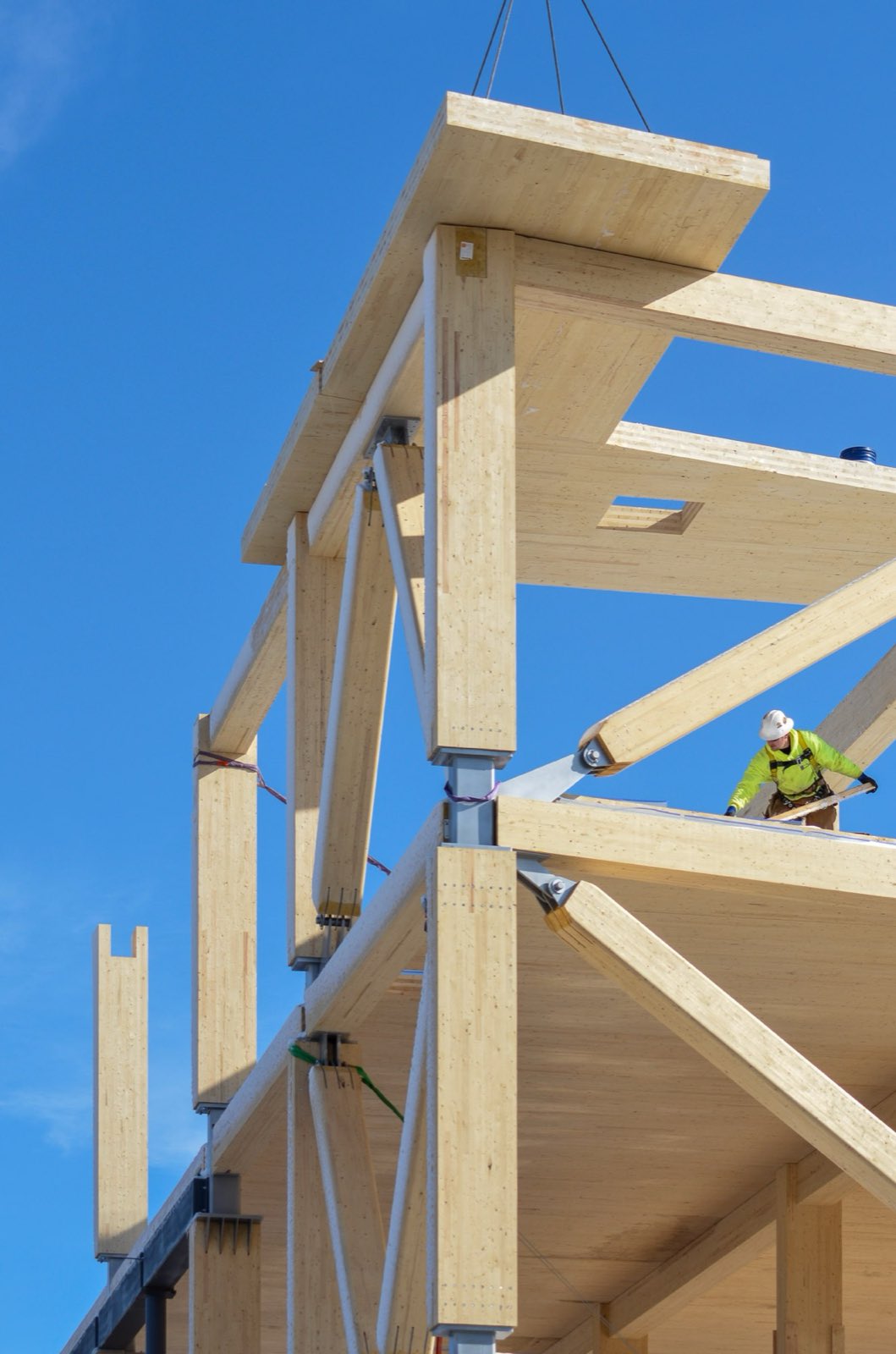
Start here
The commitment
Large supervised crews for power plants, manufacturing facilities, data centers, and aerospace engineering projects.
Housing, travel, and per diem: we handle it all.